

Understanding Erectile Dysfunction (ED): Causes, Symptoms, and Treatments
Erectile Dysfunction (ED), often referred to as impotence, is the inability to achieve or maintain an erection firm enough for satisfactory sexual intercourse. While experiencing erection issues occasionally is normal, persistent ED can cause stress, affect self-confidence, and impact personal relationships.
Important Note: ED is very common and highly treatable. It can also be an early sign of an underlying cardiovascular or metabolic condition, making medical evaluation important.
Key Symptoms of ED
Erectile dysfunction symptoms may include:
Trouble getting an erection.
Difficulty keeping an erection during sexual activity.
Reduced sexual desire (low libido).
What Causes Erectile Dysfunction?
Male sexual arousal is a complex process involving the brain, hormones, emotions, nerves, muscles, and blood vessels. An issue with any of these can lead to ED. Causes generally fall into two main categories:
1. Physical Causes
In many cases, ED is caused by something physical. Common causes include:
Cardiovascular Disease: Heart disease, high blood pressure, and clogged blood vessels (atherosclerosis).
Diabetes: High blood sugar can damage nerves and blood vessels that control erections.
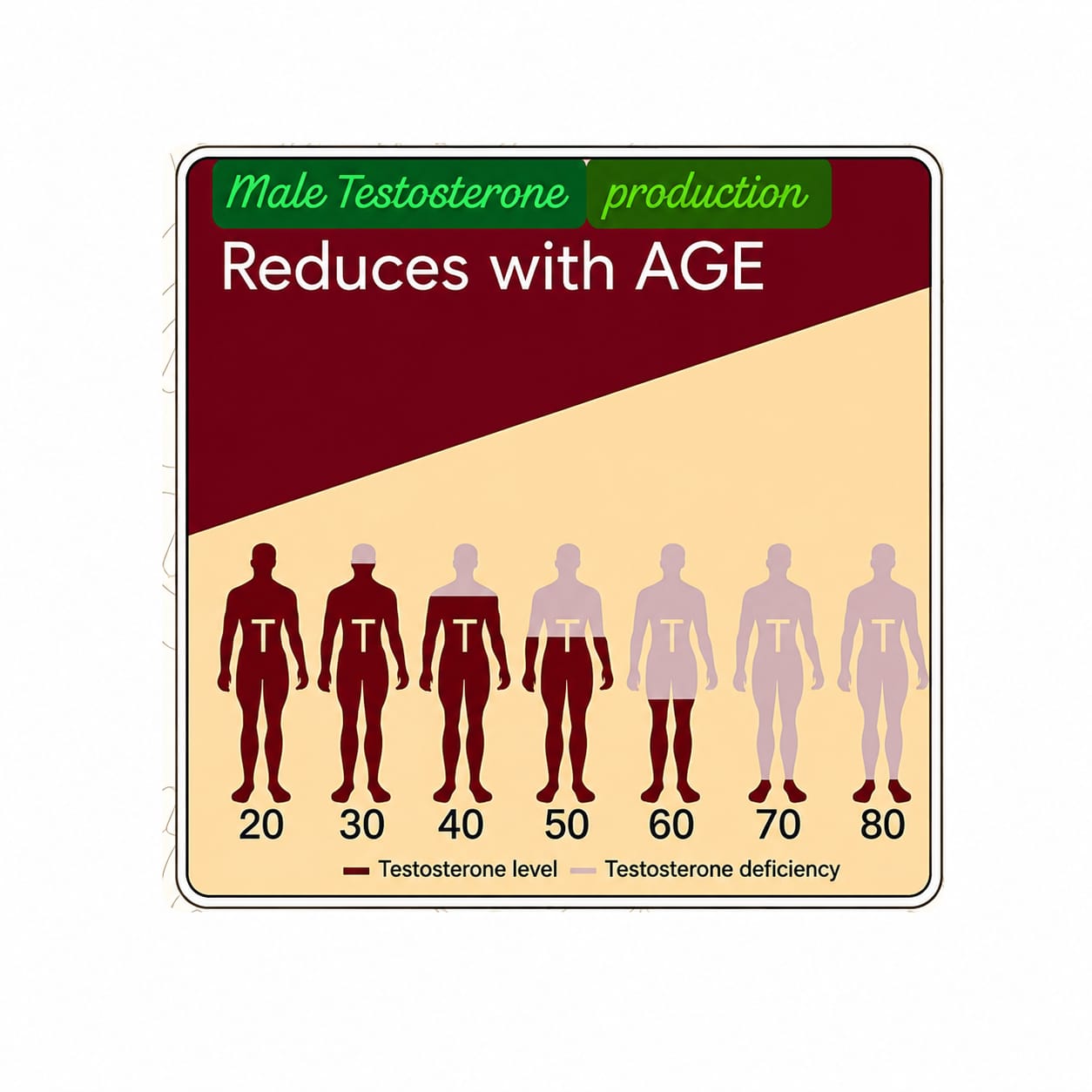
Hormonal Imbalances: Low testosterone levels.
Lifestyle Factors: Obesity, smoking, heavy alcohol consumption, and lack of physical activity.
Medications: Certain prescription drugs for blood pressure, depression, or prostate conditions.
Nerve or Spinal Cord Damage: Conditions like Parkinson's disease, Multiple Sclerosis (MS), or injuries.
2. Psychological Causes
The brain plays a key role in triggering the physical events that cause an erection. Psychological factors include:
Performance Anxiety: Fear of failing to satisfy a partner.
Stress and Depression: Work stress, financial worries, or mental health struggles.
Relationship Problems: Poor communication, unresolved conflict, or emotional distance.
How Is Erectile Dysfunction Diagnosed?
A healthcare provider typically diagnoses ED using a combination of:
Medical & Sexual History: Reviewing health conditions, medications, and lifestyle factors.
Physical Examination: Checking blood pressure, nerve sensation, and genital health.
Blood & Urine Tests: Checking for diabetes, high cholesterol, low testosterone, or kidney issues.
Psychological Evaluation: Assessing stress, anxiety, or depression levels.
Effective Treatment Options
Treatment depends on the underlying cause. Options include:
1. Lifestyle Modifications
Exercise Regularly: Improves circulation and heart health.
Healthy Diet: A balanced diet helps manage weight, blood pressure, and diabetes.
Quit Smoking & Limit Alcohol: Restores healthy blood vessel function.
Manage Stress: Practicing mindfulness, yoga, or relaxation techniques.
2. Oral Medications
medication increase blood flow to the penis in response to sexual stimulation.
Note: These should only be taken under a doctor’s guidance, especially for individuals taking nitrates for heart conditions.
3. Counseling and Therapy
Sex Therapy or Cognitive Behavioral Therapy (CBT): Highly effective if ED is linked to stress, anxiety, or relationship challenges.
4. Advanced Medical Treatments
Vacuum Erection Devices (Penis Pumps): Mechanical pumps that draw blood into the penis.
Testosterone Replacement Therapy (TRT): Used if ED is caused by verified low testosterone levels.
Penile Implants or Surgery: Recommended in severe cases where other treatments have not worked.
When to See a Doctor
If you experience ongoing erectile problems, schedule an appointment with a primary care doctor or a urologist. ED is often an indicator of underlying health issues—such as heart disease or diabetes—that benefit from early detection and treatment.


